Reiki in Healthcare and Medical Settings
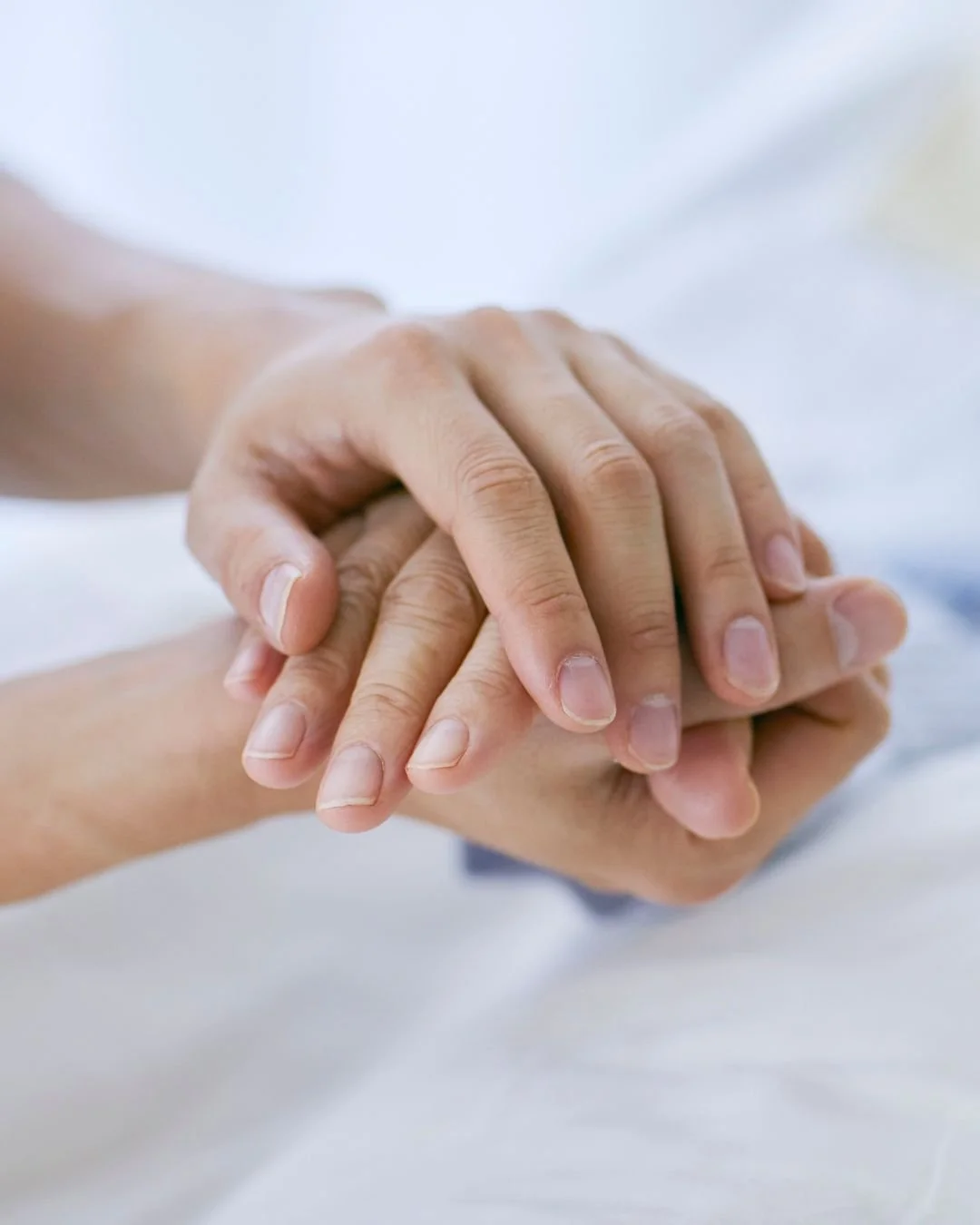
Reiki is a complementary therapy, which means it works perfectly well alongside medicine and medical treatments. Reiki clients are never asked to give up their medication, stop treatment or to ignore their doctors’ advice.
This is why many hospitals across the UK, US, Australia, New Zealand and countless other countries have been embracing Reiki and offering it as a complementary therapy to their patients since 2007.
There are 800 hospitals offering Reiki throughout the USA and 57 in the UK like St George’s - London, St Pancras - London and the North Devon District Hospital to name but a few, all providing optional access to Reiki through paid or voluntary contracts. This is great to remember if you happen to be speaking to someone who has doubts about Reiki.
It’s mind blowing to see how fast Reiki is growing in the medical world. We celebrated the birthday of Founder Mikao Usui on 15th August. I think he would be very proud to know how far Reiki has spread throughout the globe.
WHY REIKI HELPS
There are several studies which conclude that reiki relaxes patients by reducing stress in the body and it’s widely accepted that the body recovers faster when it's in a relaxed state because relaxation triggers the body’s natural healing process.
Reiki has been proven to be helpful for various medical conditions like insomnia, stress, cancer, cardiac diseases, low immunity and it’s great for the support of a patient’s emotional and spiritual wellbeing.
END OF LIFE CARE
Reiki is not just helpful for medical ailments, it’s a big part of pain management and palliative / end of life care.
Terminally ill patients credit reiki for helping them make peace with their journey, as well as soothing their families - helping them come to terms with what’s happening.
REIKI IN THE SURGERY ROOM
Increasingly, patients in the US are choosing to engage a ‘Medical Reiki Practitioner’ before, during and after surgery. Having a Medical Reiki Practitioner present in the operating theatre is said to bring calm to, not only the patient, but also the doctors and nurses present, helping the operation to go more smoothly. Post-operative recovery is also found to be faster with less side affects.
STUDY PAPERS
Here are a small sample of the hundreds of studies available that prove the efficacy of Reiki
Friedman RS, Burg MM, Miles P, Lee F, Lampert R. Effects of reiki on autonomic activity early after acute coronary syndrome. J Am Coll Cardiol. 2010 Sep 14;56(12):995-6.
Miles P. Reiki for Support of Cancer Patients. Advances in Mind-Body Medicine. Fall 2007;22(2):20-26.
McManus DE. Reiki Is Better Than Placebo and Has Broad Potential as a Complementary Health Therapy. J Evid Based Complementary Altern Med. 2017 Oct;22(4)
ACCESS TO REIKI THROUGH YOUR DOCTOR
As well as private healthcare organisations, most doctors in the UK have access to a list of CNHC verified Reiki Practitioners so it would be worth talking to your doctor to see if Reiki is available to you alongside medical treatment.
If you are interested in becoming a CNHC verified Reiki practitioner, you can find out more about my CNHC approved Diploma programme.
With love and light
Gwen x